
Picture this. A homeowner in Frisco wants a quote by Friday. Your estimator is rebuilding a spreadsheet, lumber and steel prices have gone up again, and the GC said a competitor has already submitted their bid.
Speed wins the first call. Accuracy protects the margin. AI construction estimating software helps contractors deliver both without adding another person to payroll.
This guide explains how it works, where it helps most in Houston, Dallas, Austin and San Antonio, and how to use it with good judgment.
Construction Software for Growing Texas Metros
Texas isn’t just growing — it’s growing unevenly, with Austin and San Antonio each carving out their own piece of the state’s residential construction boom. According to 2025 permit data compiled by BuilderMuse, Austin issued roughly 38,000 residential permits and San Antonio issued roughly 31,000 — both trailing Dallas-Fort Worth and Houston in raw volume but growing fast enough that GCs in both cities are quickly outgrowing spreadsheets and paper systems that used to work fine.
A 2026 housing report from Consumer Affairs, covered by CultureMap Austin, ranked Austin 7th nationally and San Antonio 10th nationally for new home construction activity in the first two months of 2026 — with Texas placing four cities in the top 10 nationwide.
For home builders, remodelers and renovators, that growth cuts both ways: more opportunity, but also more competition for subs, tighter permitting timelines, and a homeowner base that expects the same transparency they get from any other investment in their life.
Austin: Fast-Growth Market Challenges for GCs
Few markets in the country are accelerating as fast as Austin’s right now. Q1 2026 data from HBWeekly shows Travis County recorded 1,050 residential permits in the first quarter alone — a 115% increase over the same period in 2025, the most dramatic growth rate of any major Texas county tracked.
For GCs operating in this environment, a few pressures show up consistently:
- Permitting complexity — Austin’s Development Services Department routes many projects through multiple department reviews (building, zoning, electrical, plumbing, and more), and a missed document or unclear submission can stall a project for weeks.
- Sub availability — with permit volume up sharply, qualified subcontractors are being pulled in more directions, making scheduling reliability a bigger competitive advantage than ever.
- Homeowner expectations — Austin’s tech-forward homebuyer base expects the same real-time visibility from their builder that they get from any consumer app, not a phone call every other week.
- Multi-project coordination — GCs scaling to keep up with demand often go from managing 3–5 projects a year to 10 or more, which breaks spreadsheet-based tracking fast.
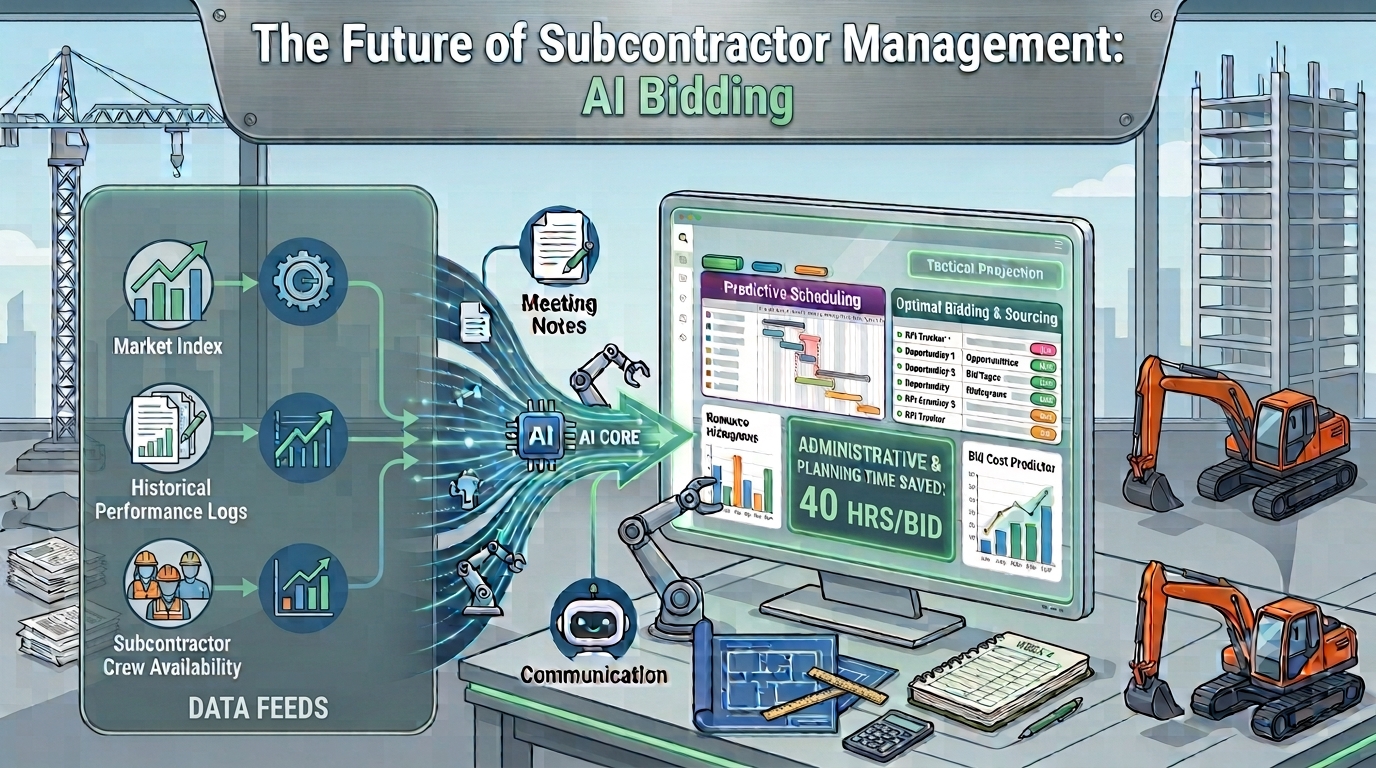
The construction management software a GC chooses needs to handle permit tracking, document tracking, sub scheduling, and homeowner communication that doesn’t eat up every evening. But before the project starts, the GC must have the right tool for managing a Bidding process.
Local Case Study: A Texas GC Scaling Past the Spreadsheet Stage
Across Constant Builder’s Texas customer base — including GCs building in Dallas, Houston, and the Austin and San Antonio corridor — the same story comes up again and again: a contractor outgrows spreadsheets, texting, and paper punch lists right around the point where project volume becomes unmanageable to track by memory.
“As a GC in Texas, I manage 15-20 home builds per year — our volume is growing fast. Before, we relied on spreadsheets, paper, and texting to keep projects moving.”
That’s the exact inflection point Austin and San Antonio GCs are hitting right now as permit volume climbs in both metros — the jump from a handful of projects a year to a double-digit project load is precisely where informal systems stop working.
Why Constant Builder Fits Texas GCs
Constant Builder was built around the reality of residential GCs in Texas markets specifically — not adapted from enterprise commercial software built for a different kind of project entirely. For home builders in Austin, San Antonio, Dallas, or Houston, the platform covers the same core ground: bid management, scheduling, estimating, invoicing, and materials tracking in one dashboard, with an AI assistant that works from the truck between job sites, not just from a desktop at the office.
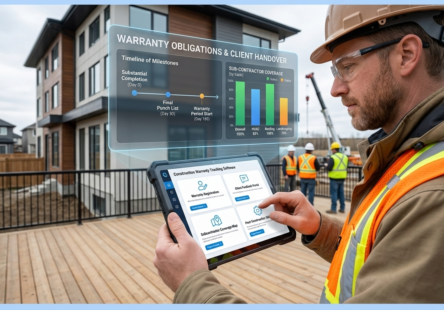
Homeowners in both markets get free portal access to real-time updates, punch list submission, and warranty tracking — exactly the transparency a tech-savvy Austin buyer or a relocation-driven San Antonio buyer expects without having to ask for it.
READY FOR A PLATFORM BUILT FOR TEXAS HOME BUILDERS? See how Constant Builder supports growing contractors |
FAQ
The best fit depends on project volume and type, but GCs scaling past 10 projects a year need software built for residential workflows — real-time scheduling, mobile field updates, and homeowner-facing transparency — rather than enterprise commercial platforms designed for a different scale of project.
Both are among the fastest-growing residential construction markets in the country. Travis County (Austin) saw a 115% year-over-year increase in Q1 2026 permits, while Austin and San Antonio ranked 7th and 10th nationally, respectively, for new home construction activity, according to 2026 housing data.
The core software needs are similar, but San Antonio's more price-sensitive, steadier market puts extra weight on margin tracking, while Austin's sharper growth spike puts extra weight on bidding, permitting, document tracking and sub scheduling under higher competition for crews.
Constant Builder is built specifically around residential GC workflows and currently has the strongest track record with Texas contractors, including established customers across Dallas and Houston, alongside growing adoption in the Austin and San Antonio markets.
Pricing varies by platform, but Constant Builder is built for small-to-mid-volume residential home builders specifically, with a free subcontractor and homeowner portal included — avoiding the enterprise-scale pricing typical of platforms designed for large commercial contractors.
Ready to Scale Past the Spreadsheet Stage?
Whether you’re building in Austin’s high-growth market or San Antonio’s steady expansion, Constant Builder gives Texas GCs one platform for scheduling, estimating, invoicing, and homeowner communication.